
Losing someone you love is never easy. Amid grief, planning a memorial can feel overwhelming. But here’s the truth: a memorial is more than a ceremony—it’s a chance to reflect your loved one’s values, share their story, and begin healing. Whether they were passionate about faith, family, music, or community, you can plan a memorial that truly honors who they were and what they stood for.
At B’resheet, we believe that end-of-life planning is an act of love. Let’s walk through how to create a memorial that brings peace, celebrates life, and respects your loved one’s legacy.
Why Values Matter in Memorial Planning
A memorial is not one-size-fits-all. When it reflects your loved one’s core values, it becomes a powerful reminder of what mattered most to them—and to you.
What Are Values-Based Memorials?
These are ceremonies that:
- Highlight personal beliefs, traditions, and causes.
- Incorporate meaningful symbols, readings, or music.
- Invite guests to engage in ways your loved one would’ve appreciated.
Whether it’s a small backyard gathering or a larger community event, the goal is the same: to create space for love, remembrance, and legacy.
Steps to Plan a Meaningful Memorial
1. Reflect on Their Life and Legacy
Before you begin planning, take a moment to reflect. Ask:
- What did they love most in life?
- What causes or communities did they care about?
- Were they spiritual, artistic, service-driven, or family-focused?
These questions will shape everything that follows.
2. Choose the Right Location
The setting should feel natural and personal. Think:
- A local park or garden
- A house of worship or community center
- Even your own home
Tip: Consider outdoor spaces for a more budget-friendly and peaceful environment.
3. Include Personalized Touches
Incorporate what made your loved one unique:
- Play their favorite songs
- Share their favorite meal or dessert
- Display photos, letters, or artwork
You could even invite guests to bring something that reminds them of the person—stories, photos, or small tokens.
4. Honor Cultural or Faith Traditions
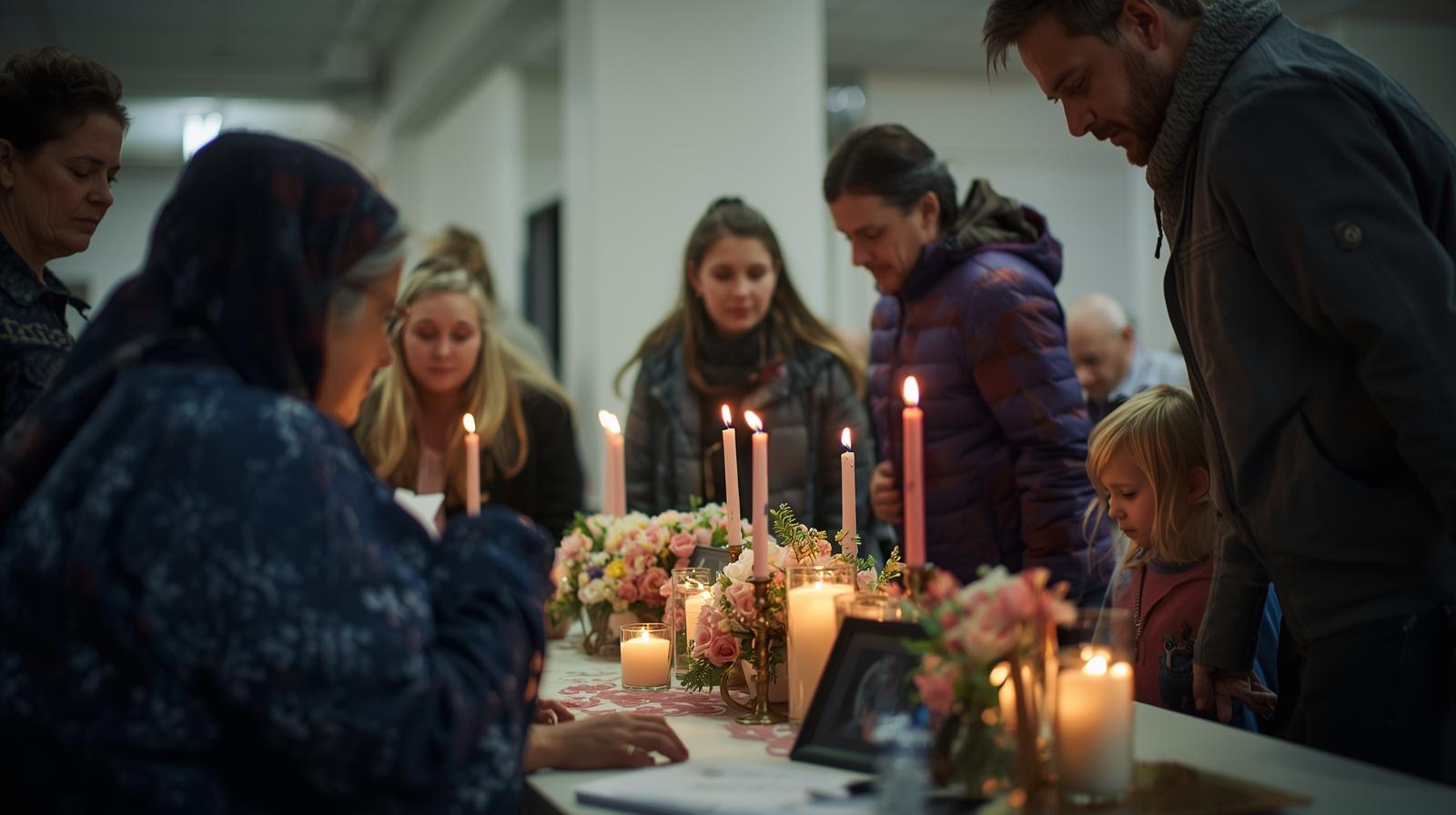
Many underserved communities hold deep spiritual and cultural traditions. Don’t be afraid to bring those into the service. Light a candle, say a prayer, or offer a moment of silence.
Helpful Planning Tips
Start Early, If Possible
While memorials often happen quickly, don’t rush. Take a few days, if needed, to gather your thoughts and reach out for support.
Ask for Help
You don’t have to do it alone. Trusted friends, family members, or a local church leader can offer support. If you need help organizing or choosing a venue, local nonprofits may assist.
Capture the Moment
Consider recording or streaming the memorial for those who can’t attend. Save the program or guest book as keepsakes for the future.
Support Beyond the Memorial
Planning a memorial is just one part of the journey. You may also want to:
- Start end-of-life planning for yourself or another loved one. Read our guide: Why End-of-Life Planning Is an Act of Love
- Create a legacy letter to pass on your values. Read more: Writing a Legacy Letter That Speaks From the Heart
Call to Action:
💬 Need support with planning a memorial or end-of-life arrangements?
Our compassionate team at B’resheet is here for you.
📞 Contact us today or download our free Memorial Planning Worksheet to start planning with peace of mind.